

These mills may be either the single-end type with the
cutter on one end only, or they may be the double-end
type. (See fig. 7-33.)
MULTIPLE-FLUTE END MILLS have three,
four, six, or eight flutes and normally are available in
diameters up to 2 inches. They may be either the
single-end or the double-end type (fig. 7-33).
BALL END MILLS (fig. 7-33) are used to mill
fillets or slots with a radius bottom, to round pockets
and the bottom of holes, and for all-around die sinking
and die making work. Two-flute end mills with end
cutting lips can be used to drill the initial hole as well
as to feed longitudinally. Four-flute ball end mills
with center cutting lips also are available. These
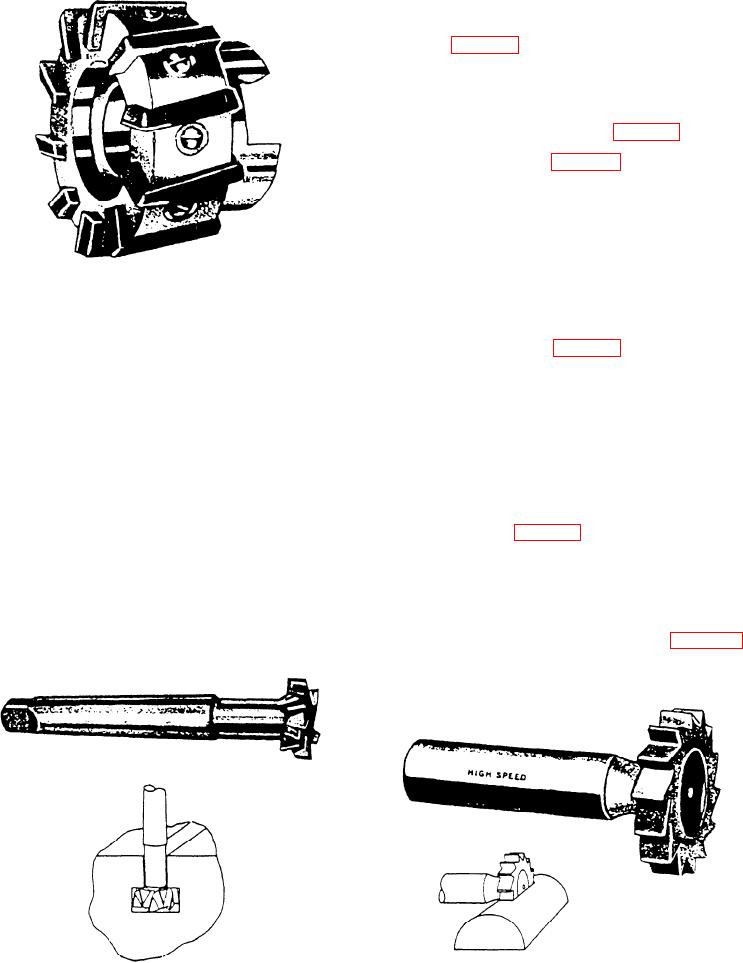
Figure 7-36.--Inserted tooth face milling cutter.
work well for tracer milling, fillet milling, and die
sinking.
mill cutters. Common operations include the milling
SHELL END MILLS (fig. 7-34) have a hole used
of slots, keyways, pockets, shoulders, and flat
to mount the cutter on a short (stub) arbor. The center
surfaces, and the profiling of narrow surfaces.
of the shell is recessed for the screw or nut that fastens
the cutter to the arbor. These mills are made in larger
End mill cutters are used most often on vertical
sizes than solid end mills, normally in diameters from
milling machines. However, they also are used
1/4 to 6 inches. Cutters of this type are intended for
frequently on machines with horizontal spindles.
slabbing or surfacing cuts, either face milling or end
Many different types of end mill cutters are available
milling, and usually have helical teeth.
in sizes ranging from 1/64 inch to 2 inches. They may
FACE MILLING CUTTER.--Inserted tooth
be made of high-speed steel, have cemented carbide
face milling cutters (fig. 7-36) are similar to shell end
teeth, or be of the solid carbide type.
mills in that they have teeth on the circumference and
TWO-FLUTE END MILLS have only two teeth
on the end. They are attached directly to the spindle
on their circumference. The end teeth can cut to the
nose and use inserted, replaceable teeth made of
center. Hence, they may be fed into the work like a
carbide or any alloy steel.
drill; they can then be fed lengthwise to form a slot.
T-SLOT CUTTER.--The T-slot cutter (fig. 7-37)
is a small plain milling cutter with a shank. It is
Figure 7-38.--Woodruff keyseat cutter.
Figure 7-37.--T-slot cutter.
7-24